Photo symptom checker in seconds
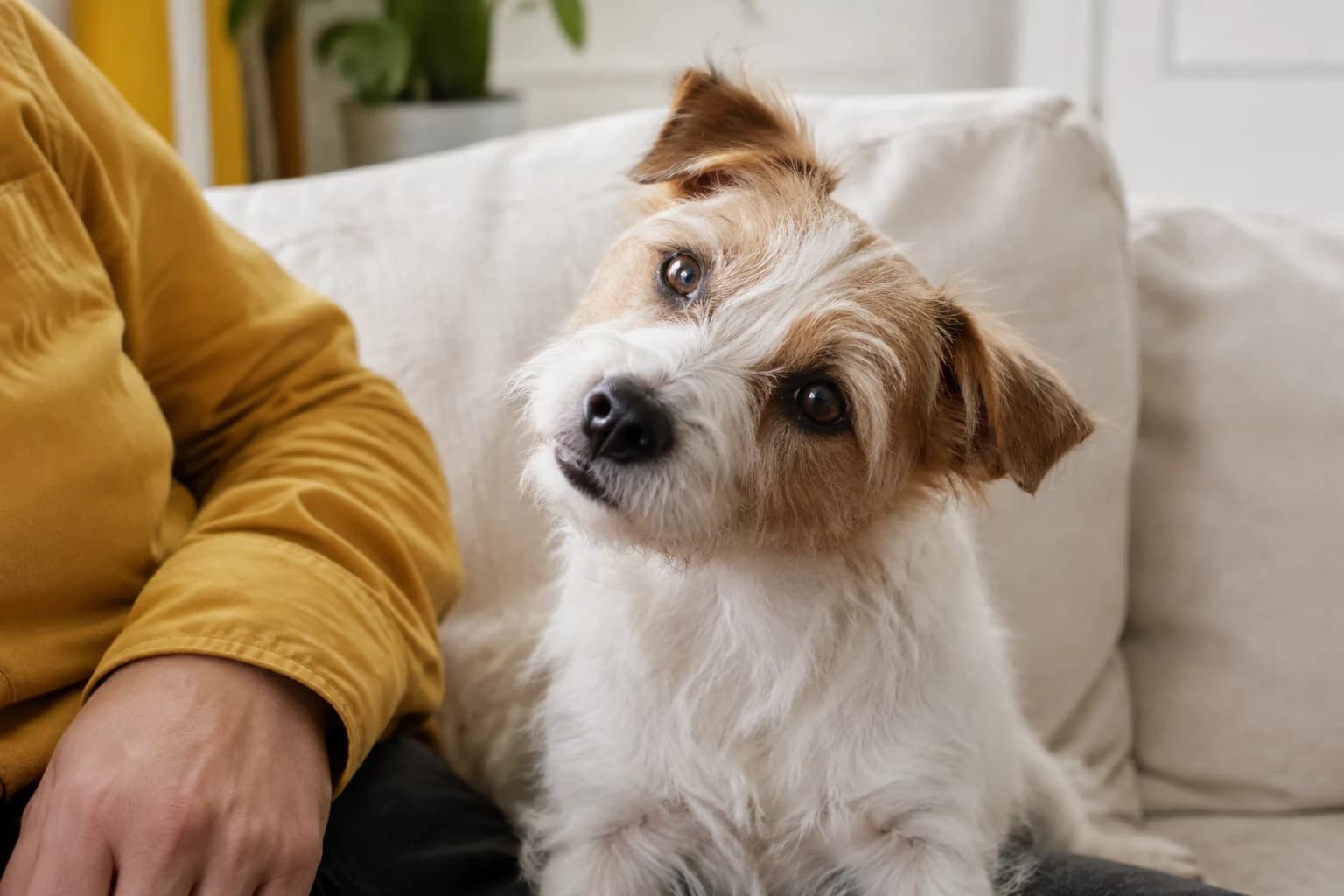
Take a photo of what is worrying you and get a straight answer — is this something to act on now, keep an eye on, or nothing at all?
Eight ways to understand what you can see
Petus uses an assessment suited to each concern, including recognised veterinary scales where appropriate. Findings stay connected to the image, uncertainty and urgency, so you can discuss them with a vet.
- Skin and coat — rashes, lumps, hot spots and hair loss.
- Eyes — discharge, redness, cloudiness and squinting.
- Dental — plaque and gum health on the AVDC scale.
- Stool — consistency scored on the Purina fecal chart.
- Body condition — WSAVA BCS, scored 1 to 9.
- Food labels — snap the ingredients list and check it for safety.
- Meals — estimated portions and nutritional context from a photo.
- Gait and lameness — assessed from a short video, not a still.
A verdict, not a label
Now, Soon or Monitor
Every result tells you what Petus saw, how urgent it looks — Now, Soon or Monitor — and exactly what to watch for.
Built to fail safe
If the photo is too blurry to judge, Petus asks for a better one rather than guessing. Any red flag pushes the verdict up, never down.
Saved to the timeline
The photo and the verdict land in your pet timeline automatically, so a rash today is there to compare against next month.
What happens after the verdict
If a result is urgent, Petus explains why and helps you find a nearby clinic. For concerns to monitor, it explains which changes to watch for.
Photos, assessments and notes remain in your pet’s health record.
A walking clip. A clearer conversation.
Capture the change you noticed at home. Petus assesses the sampled frames and saves the findings with your pet’s record, so you can return to them when speaking with a vet.
How to film a useful walking clipLandmark tracking is being evaluated. Availability depends on model configuration and clip quality; a visual assessment does not imply that tracking ran.
Landmarks can be misplaced or hidden by the body. This demonstration does not establish diagnostic accuracy, joint angles or a clinical gait measurement.
Watch a second clip
Footage: Shin et al., PLOS ONE (2013), supplementary movies S1 and S3, CC BY 2.5. Petus added the overlays and presentation. PLOS ONE · CC BY 2.5
Common questions
Is the photo verdict a diagnosis?
Petus reads the photo and tells you how urgent it looks — Now, Soon or Monitor — what it saw, and what to watch for. Diagnosis takes hands and instruments: when it’s that, Petus gets you to a vet with the full picture.
What happens if my photo is blurry?
Petus asks for a better one rather than guessing. If a photo is too blurry or too dark to judge, you will be prompted to retake it before you get a verdict.
Which problems can Petus check from a photo?
Eight areas: skin and coat, eyes, dental health, stool, body condition, food-label safety, meals, and gait from a short walking clip. Veterinary scales are used where appropriate; screening does not replace an examination.